Help your child beat exam stress
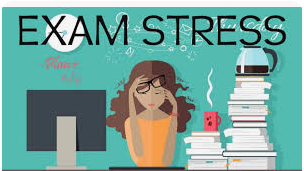
Tests and exams can be a challenging part of school life for children and young people and their parents or carers. But there are ways to ease the stress.
Watch for signs of stress
Children and young people who are stressed may:
- worry a lot
- feel tense
- have headaches and stomach pains
- not sleep well
- be irritable
- lose interest in food or eat more than normal
- not enjoy activities they previously enjoyed
- be negative and have a low mood
- feel hopeless about the future
Having someone to talk to about their work can help. Support from a parent, tutor or study buddy can help young people share their worries and keep things in perspective.
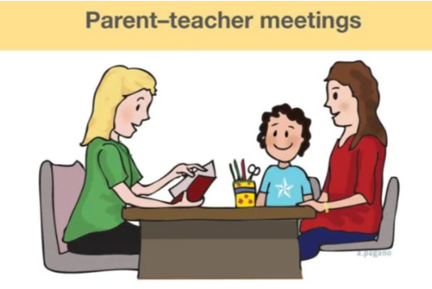
Encourage your child to talk to a member of school staff who they feel is supportive. If you think your child is not coping, it may also be helpful for you to talk to their teachers.
Try to involve your child as much as possible.
Make sure your child eats well
Read more about eating a balanced diet.
Help your child get enough sleep
Be flexible during exams
Be flexible around exam time. When your child is revising all day, do not worry about household jobs left undone or untidy bedrooms.
Staying calm yourself can help. Remember, exams do not last forever.
The Family Lives website has more information about coping with exam stress
Health for Teens also has information and advice about how to prepare for exams and deal with exam stress
Help them study
Talk about exam nerves
Encourage exercise during exams
Read more about the physical activity guidelines for children and young people.
Do not add to the pressure
Support group Childline says many children who contact them feel that most pressure at exam time comes from their family.
Listen to your child, give them support and avoid criticism.
Before they go in for a test or exam, be reassuring and positive. Let them know that failing is not the end of the world. If things do not go well, they may be able to take the exam again.
After each exam, encourage your child to talk it through with you. Discuss the parts that went well rather than focusing on the questions they found difficult. Then move on and focus on the next test, rather than dwelling on things that cannot be changed.
See Childline's advice on exam stress and pressure
Make time for treats
When to get help
Some young people feel much better when exams are over, but that's not the case for all young people.
Get help if your child's anxiety or low mood is severe, persists and interferes with their everyday life. Seeing a GP is a good place to start.
Read more about anxiety in children.
Here is a short video to support: Click Here